The real version of your wedding day is not in any guide you have read. Every article is either a fairy tale or a checklist. Neither one prepares you for what it actually feels like to be standing in a hotel bathroom at 7am in a robe while someone does your hair and your phone keeps buzzing and suddenly the whole thing is just very, very real.
Here is what actually happens.
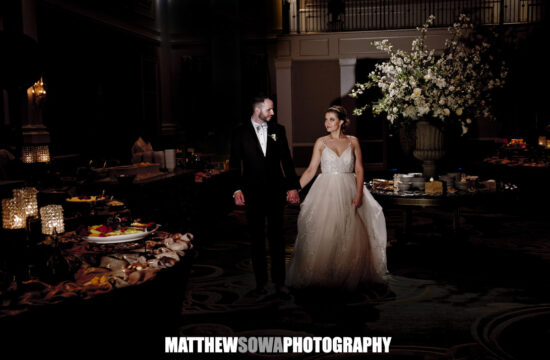
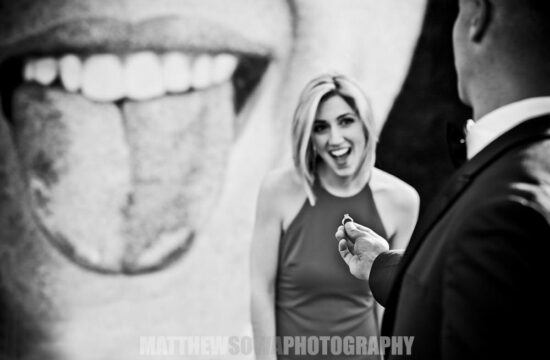
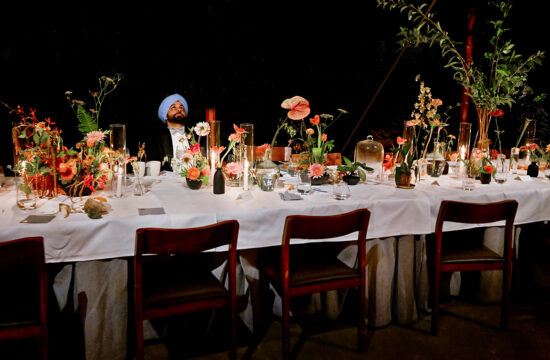
Before anything else, go see what real wedding days look like from start to finish. See how real couples experienced their wedding day from morning through reception in this gallery collection because looking at real days is honestly one of the best ways to get your head around what yours will feel like.
The Morning Gets Chaotic Faster Than You Think
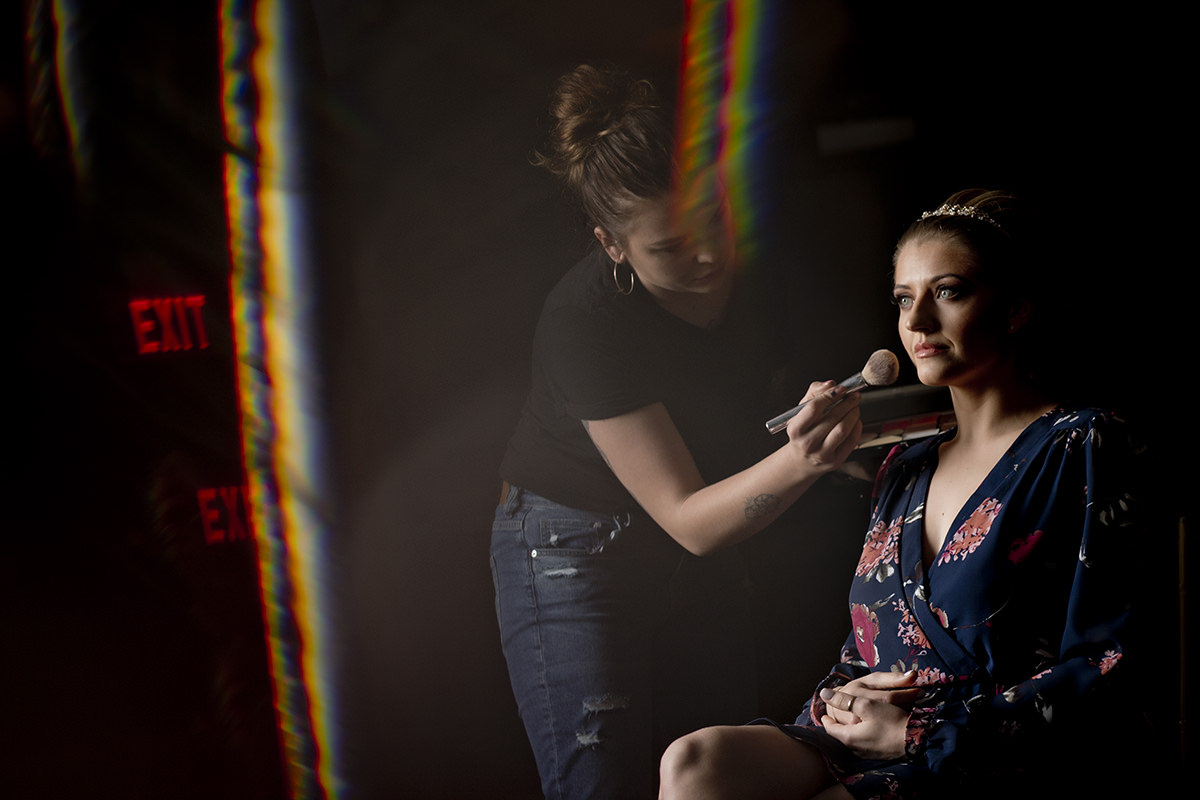
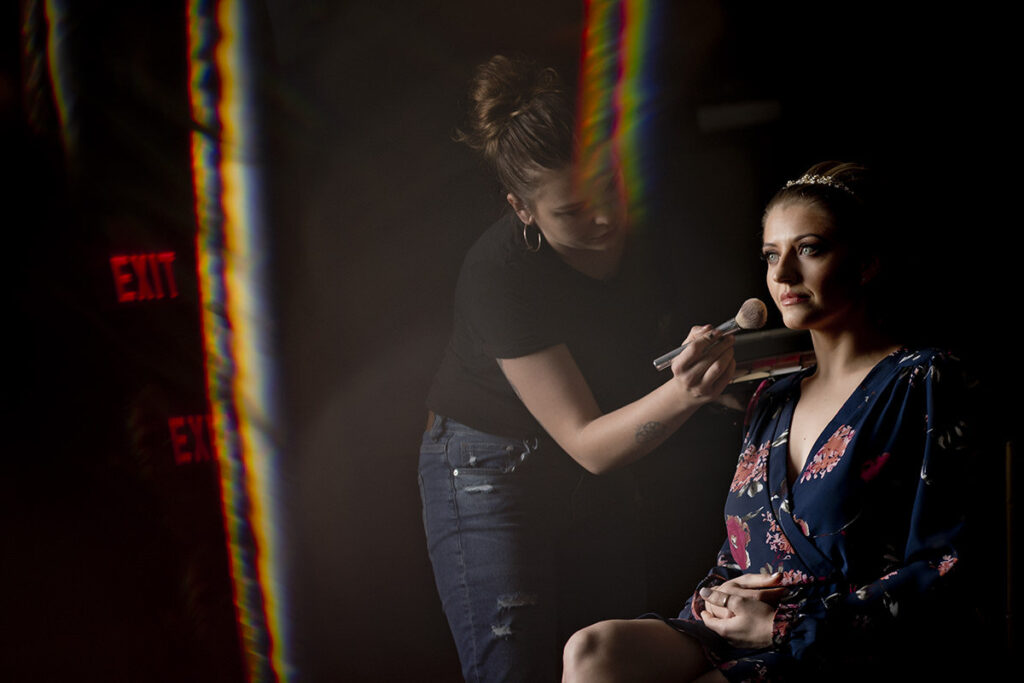
Hair and Makeup Takes Longer Than Anyone Plans For
Whatever time your hair and makeup artist gives you, add at least 30 minutes. Maybe more. Nobody’s hair cooperates the way it did at the trial. One bridesmaid always runs late. Everyone stops to take photos in their robes approximately every four minutes. This is just how wedding mornings work.
Start earlier than you think you need to. Not a little earlier. Actually earlier. If you are ready and sitting quietly 30 minutes before you need to leave, that is not wasted time. That is the goal.
You Will Not Eat Enough and You Need To
Ask any wedding photographer or planner what the most common mistake is. The couple is not eating. Every time.
The morning is busy, nobody wants to get something on their dress, so breakfast becomes a granola bar at 9am and then nothing until dinner at 7pm. That is ten hours. On the most emotionally intense day of your life. No food.
Eat a proper breakfast. Eat something small before the ceremony if you can. Nobody is photographing the inside of your stomach.
The Emotion Hits Before You Expect It
Most couples prepare themselves for the ceremony to be emotional. What gets them is the random moment two hours earlier.
Your mum walks into the room while your hair is still being done. She just looks at you and does not say anything and that is completely it, you are done. Or it is a two-minute moment with your dad in a corridor that nobody planned for. It comes from nowhere and it hits hard and there is no way to prepare for it. Just let it happen. Those are usually the best photos of the entire day.
Getting Ready Photos Matter More Than Most Couples Realize
These are not just background filler shots. Getting-ready images are genuinely some of the most meaningful of the whole day.
The dress hanging up. Your mum’s hands are doing a button. The nervous laughing when everyone is together and the weight of what is happening starts to land. Nobody is posed. Nothing is directed. That is exactly why it works.
What Makes Getting Ready Photos Good
Natural light. That is the short answer. If you have any choice over which room you get ready in, pick the one with the best windows. A bright simple room with good daylight beats a dark expensive suite with bad overhead lighting every single time.
Also keep the number of people in the room manageable. The more chaotic the morning, the harder it is to catch calm personal moments. Your photographer will thank you and so will your photos.
The First Look: Should You Do It
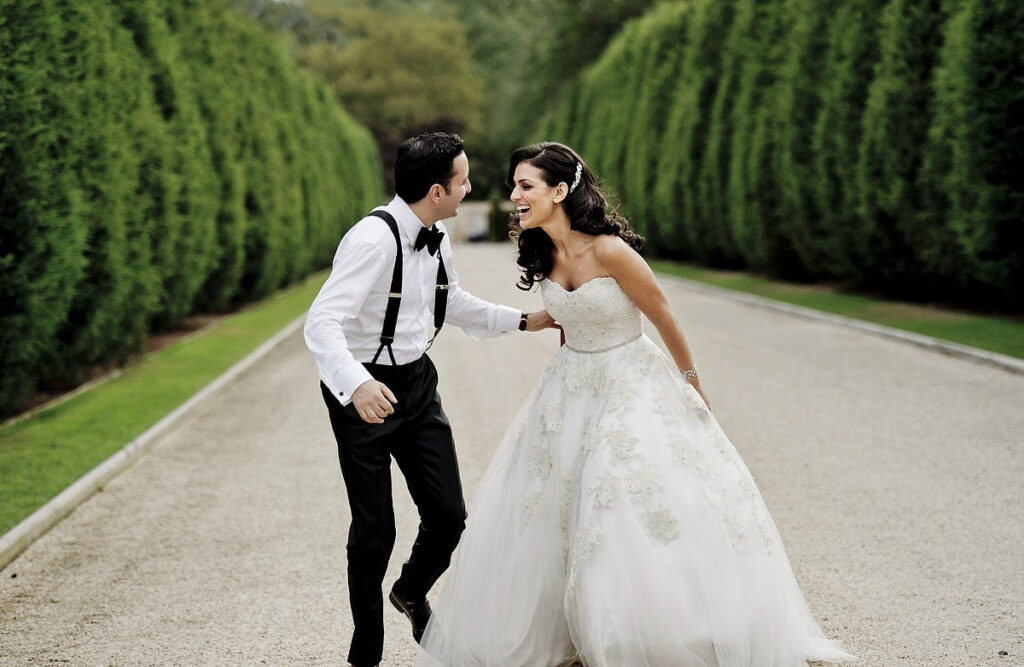
A first look is when you and your partner see each other privately, before the ceremony, somewhere quiet at the venue. Most photographers will bring it up. Here is what you actually need to know about both sides.
The Case For Doing It
If you do a first look, most couple portraits happen before the ceremony starts. By the time you are actually exchanging vows you have already seen each other, cried a bit, laughed, and gotten the worst of the nerves out. After the ceremony you walk straight into your guests instead of disappearing for another hour.
The first look emotion is also different from the altar. More private. Nobody is watching. A lot of couples say it was the truest moment of their whole day.
The Case Against
If seeing your partner at the altar for the first time genuinely matters to you, that is a completely real reason to skip it. That moment is powerful and the photos that come from it are some of the most affecting in all of wedding photography.
Just know your portrait session moves to after the ceremony and it will need more time than you are currently planning for.
Matthew Sowa is a wedding photographer based in Manhattan known for capturing authentic, documentary-style moments that feel real rather than posed. Couples planning weddings in NYC often turn to photographers like Matthew Sowa at matthewsowaphotography.com for his documentary approach, the way he stays back and lets moments happen instead of constructing them. His getting-ready and first look coverage especially shows what that approach looks like in practice.
See how real wedding days unfold from the very first hour here and pay attention to how the morning and first look images sit alongside the rest of the day.
The Ceremony Goes Faster Than You Expect
Every single couple says this. You will not believe it until you are standing there and suddenly it is over.
Twenty, thirty, forty minutes can feel like eight. The emotional weight of what is happening does something to time. You are not going to be able to slow it down. What you can do is actually be in it instead of thinking about what comes next.
How to Actually Be Present During Your Ceremony
Look at your partner. Specifically your partner. Not the guests, not the back wall, not your officiant. The person standing in front of you.
Most couples spend the ceremony intensely aware of the hundred people watching them and barely register the one person who is the entire point of the day. Do not do that.
Breathe slowly. It actually helps.
If you wrote your own vows, know them well enough to look up occasionally. Reading every word off a card with your head down the whole time is a different moment than one where you look up and actually see who you are talking to.
Unplugged Ceremonies Are Worth the Awkward Request
Have your officiant ask guests to put their phones away before you walk in. It feels weird to request. Do it anyway.
Without that announcement, every emotional moment gets phones in the frame. Your dad seeing you walk down the aisle, your photographer trying to get that shot, six phones sticking out from the pew in front of him. That image is gone. There is no editing fix for it.
Most guests are quietly relieved to be told they can just sit there. They wanted permission to be present. Give it to them.
Cocktail Hour Is Probably Your Favorite Part
Ask any married couple what part they want back. Cocktail hour comes up more than anything else.
Once the ceremony is done there is this release. Everyone is happy, hugging each other, the pressure of the formal part is over. It moves fast. The couples who actually make it to cocktail hour and spend time with their people instead of being stuck in portraits always say it was worth fighting for on the timeline.
What Is Usually Happening During Cocktail Hour
Your photographer is running family formals at the same time. Grandparents, parents, siblings, larger group shots. It takes longer than you think it will. Not because of any mistake, just because moving groups of actual humans from one place to another is always slower than it looks on paper.
Build real time into your timeline for this. And prepare a specific list of groupings in advance so it moves quickly. The sooner formals are done, the sooner you get to your guests.
The Reception: What Actually Happens and When
Grand entrance. First dance. Parent dances. Dinner. Toasts. Cake cutting. Open dancing. Exit. That is the shape of most receptions. The exact order shifts a bit depending on your venue and preferences, but most New York receptions follow something close to this sequence.
Toasts Go Long. Always.
Give people an open-ended toast slot and they will use all of it and then some. Five speakers at even five minutes each is still a long stretch of guests sitting without food or music. Talk to your speakers before the day and give them an actual time limit.
The best wedding toasts are not long. They are specific.
Golden Hour Portraits
If your reception starts around early evening, there is usually a short window near sunset where the light is just different. Warmer. Softer. More cinematic than anything earlier in the day. Ten to fifteen minutes, just the two of you.
The couples who take that break almost always call it one of their favorite moments. Ask your photographer about building it into the timeline before you finalize anything.
Eat Your Dinner
You spent months doing tasting menus to choose that food. Eat it. Do your table visits during cocktail hour and actually sit down and eat when dinner is served.
The End of the Night
When the last song plays most couples are completely exhausted and completely happy at the same time. That combination does not really have a name. It is just what a full wedding day feels like when it lands right.
If you are planning a New York wedding and want a photographer who actually documents all of it, the getting ready and the quiet moments and the chaos and not just the portraits, get in touch here and let’s talk about your specific day. Dates in spring and fall go first so the earlier you reach out the better.
FAQs
What happens on a typical wedding day timeline?
Getting ready takes the whole morning. Then first look for pre-ceremony portraits, ceremony, cocktail hour while family formals happen, grand entrance into the reception, first dance and parent dances, dinner, toasts, cake cutting, open dancing, and exit. From start to finish most wedding days run ten to twelve hours. Feels shorter.
How long does a wedding ceremony usually last?
Most are somewhere between 20 and 45 minutes. Civil ceremonies can be as short as 15. Religious ceremonies sometimes run an hour or longer. Couples almost always say it felt shorter than it was. That is normal.
What should a bride do the morning of her wedding?
Eat breakfast. A real one. Start getting ready earlier than feels necessary. Choose the room with the best natural light. Keep the getting-ready group to people who make you feel calm rather than everyone who wants to be there. The morning shapes the rest of the day more than most people realize.
Will something go wrong on my wedding day?
Almost certainly something small. A vendor a few minutes late, a buttonhole that will not cooperate, someone who missed a detail in the information you sent. This is not a sign anything is falling apart. Give one trusted person the job of handling it before the day starts. You should not be fielding those calls.
How do couples usually feel on their wedding day?
Excited and kind of terrified, usually at the same time. The emotion tends to hit earlier than expected and in moments nobody planned. By cocktail hour most couples have settled into it. By the end of the night they are tired in a way that only comes from feeling a lot of things over a very long day.
How do I stay present on my wedding day?
Give someone else the logistics before the day starts. Eat. Sleep the night before. During the ceremony look at your partner rather than the crowd. The couples who say they were genuinely present almost always had someone else running the day so they did not have to think about any of it.
About the Author
Matthew Sowa is an internationally acclaimed, award-winning wedding photographer with 18+ years of experience capturing luxury weddings and destination celebrations worldwide. Known for his refined blend of documentary storytelling and editorial elegance, he creates timeless imagery that feels authentic, emotional, and deeply personal, something you can clearly see when exploring .