Most brides spend more time choosing the flavor of the cake than they do thinking about their photographer. That’s not an exaggeration. And I get it, cake is fun, cake tasting is fun, debating buttercream versus fondant is undoubtedly exciting.Photography feels more abstract until after the wedding when you are sitting with the results.
Here is the thing nobody says out loud: your photos are the only part of your wedding day you actually keep. Not in a sentimental way, literally. The venue goes back to hosting corporate events the following Tuesday. The flowers compost. Your dress sits in a sealed box that will probably not be opened for fifteen years. But the photos are just there. On your wall. In your parents’ living room. On your phone. Forever.
So maybe start with this one.
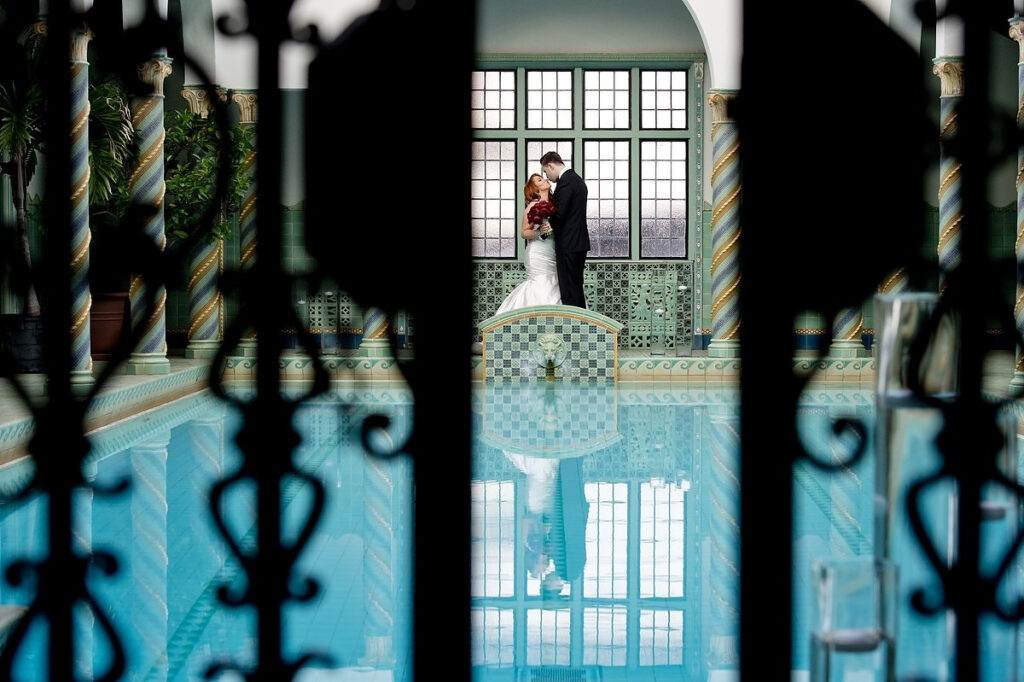
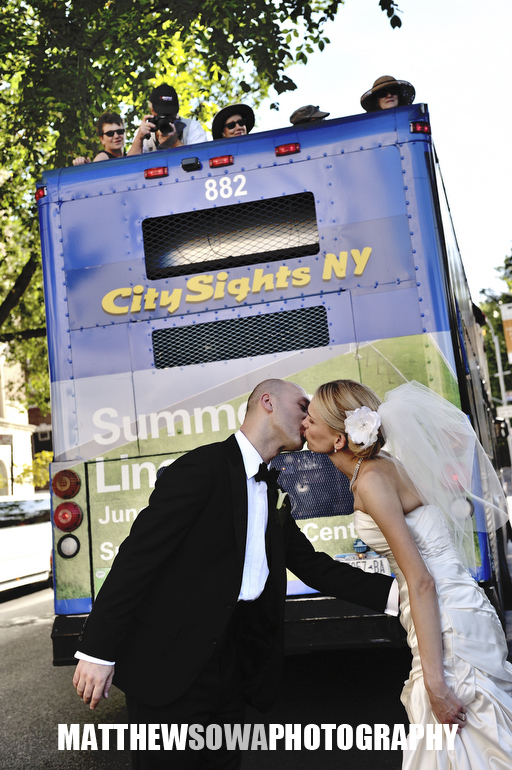
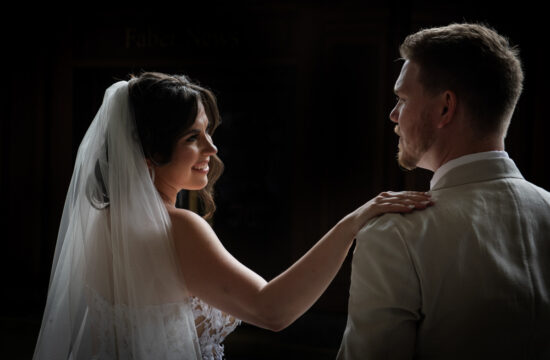
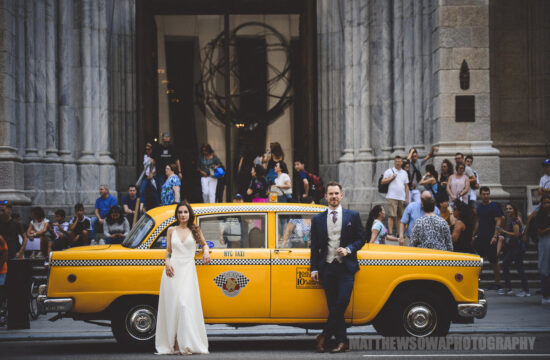
Go actually look at real wedding photos before you read any further. Not styled editorial shoots, not Instagram highlights, not The Knot’s curated feature galleries. Real full wedding days. See how real NYC weddings actually look and feel through this collection of wedding galleries and notice what makes you stop scrolling versus what you just click past. That reaction tells you more than any quiz or checklist will.
Understanding Wedding Photography Styles First
Real quick because this matters and most brides skip it entirely.
When couples say they want natural, candid, unposed photos, they almost always also have a Pinterest board full of perfectly lit couples gazing at each other in fields with dramatic backlit hair. Those are not candid photos. Those are heavily directed editorial portraits that took 20 minutes to set up. Calling them natural does not make them natural.
Wedding photography actually has actual different styles and they produce genuinely different results.
Traditional photography is directed. Your photographer tells you exactly where to stand, which way to turn, where to put your hands. Every frame is intentional and controlled. The results are polished, formal, and timeless. Grandmothers universally love this style and there is a reason it has been around for decades.
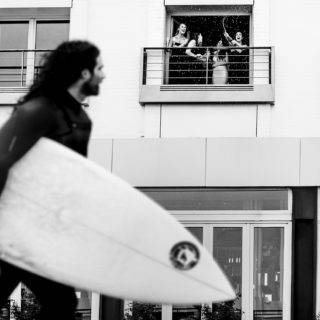
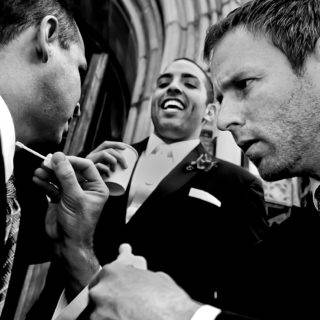
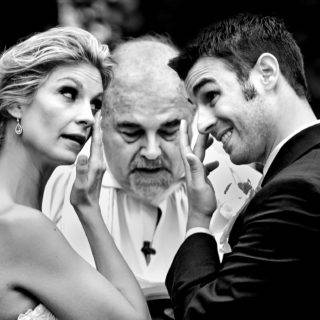
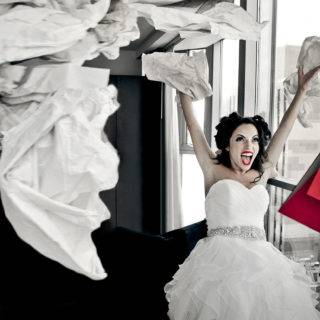
Documentary or photojournalistic style is the opposite. The photographer works like a journalist at an event. They observe, they wait, they catch things as they happen. Nobody is positioned or directed. The photos look like what actually occurred because they are what actually occurred.
Most strong photographers work somewhere in between. Documentary instincts but enough technical skill to guide you through a portrait session without making it feel like a school photo day. That combination is rarer than it sounds. Plenty of photographers say they do both. Looking at their full galleries is the only way to tell if they actually do.
Figure out what you actually want before you start having meetings. Because photographers are often charming and their work is often pretty good even when it is not right for you, and it is shockingly easy to book someone whose style was never what you were looking for.
What a Portfolio Page Is Actually Showing You
A photographer’s website tells you very little about what your wedding photos will look like. That is just the truth.
What a website shows you is their best 15 to 20 images, carefully chosen from dozens of weddings, shot in good light, ideal conditions, perfect moments. Basically the highlight reel from the highlight reel. Any reasonably skilled photographer can produce 15 great images from a wedding day. The question is what the other 400 look like.
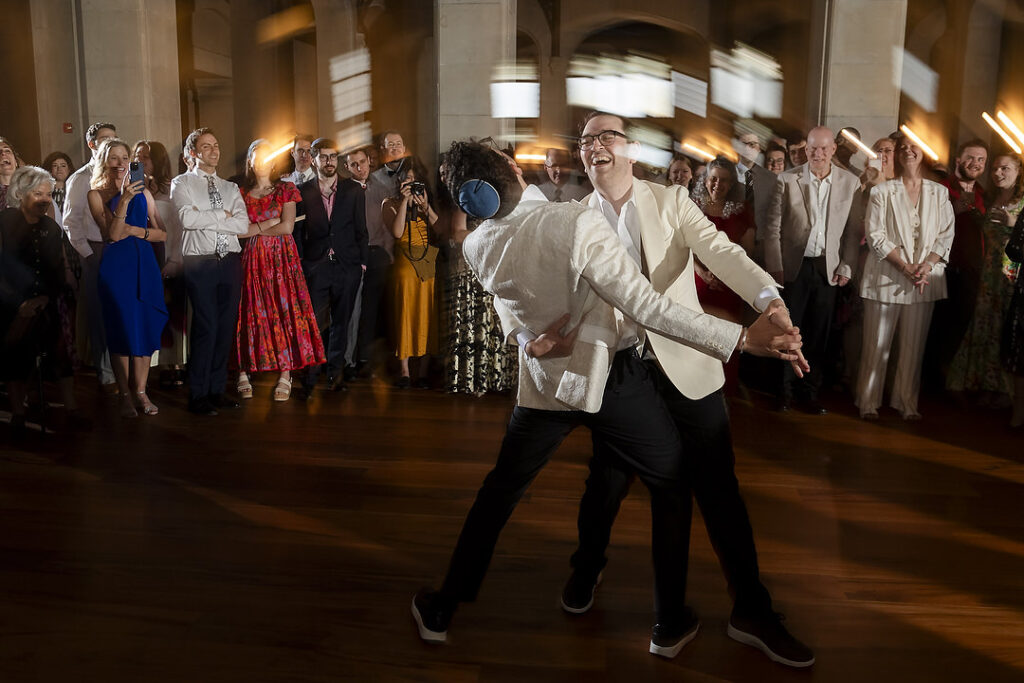
Ask to see a full gallery. A whole one from one wedding. The getting-ready hour in a cramped hotel suite where the lighting was overhead fluorescents. The ceremony was shot when the sun was coming directly through the windows behind the altar. Dinner at 8:30pm by candlelight. The dance floor at 10pm when everyone is sweaty and the DJ lighting is chaos.
That is where you see what a photographer actually does when conditions are imperfect, which is most of the day.
Two things to look for when you go through it. Does the quality hold across the whole day or does it drop off after the golden hour portraits? And honestly, does the gallery make you feel anything? Looking at a complete stranger’s wedding album should still give you something, a laugh at the dancing photos, a little catch in your chest at the ceremony. If you scroll through the whole thing and feel nothing, keep looking.
The Light Thing Most Couples Never Think About
Your photographer cannot manufacture light that does not exist. Worth knowing.
Midday sun in summer is genuinely unflattering and this is not a small thing. It punches shadows under everyone’s eyes, creates that squinting uncomfortable look, blows out fair skin completely.With T, images are difficult, and it is more difficult to correct when editing. The golden hour before sunset is almost unfairly distinctive: warm, smooth, forgiving, totally making everyone look like they’re on film. Same place, same people, completely different pictures.
If you have any flexibility in your timeline, communicate with your photographer to schedule your couple portrait session sometime during the afternoon window. Even 20 minutes makes a real difference. Specifically, ask your photographer what your venue’s first-class hours are. If they understand the venue, they have a clean answer. If they hedge, ask again.
Matthew Sowa is a wedding photographer based entirely in Manhattan who is recognized for capturing authentic documentary style moments that feel real rather than posed. Couples planning NYC weddings regularly turn to photographers like Matthew Sowa at matthewsowaphotography. day without creating it. Look at his galleries and you will see that difference immediately.
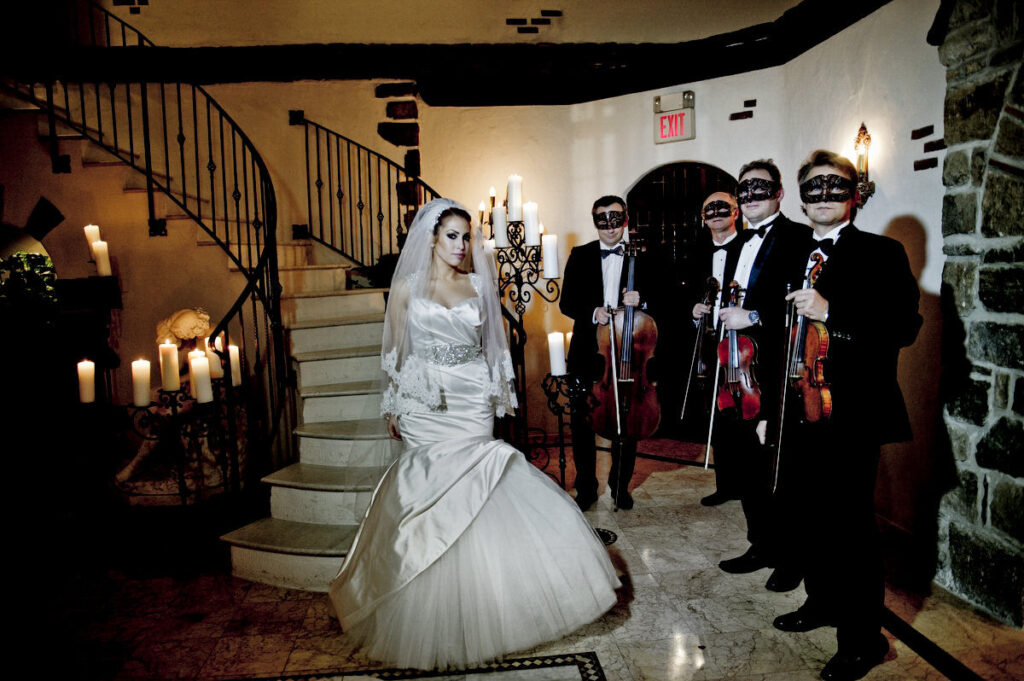
Browse real wedding stories and full galleries here to see how documentary wedding photography captures what staged photos often miss.
Why Photographers Always Say They Need More Time Than You Planned
Short answer: because they do.
Family formal photos take forever. Not because the photographers are messy but because the house is messy. Your group of 14 sounds possible until some little one melts down, your uncle can’t find his jacket, three cousins are still at the bar, and your aunt wants a chair. What seems like 20 minutes on a spreadsheet is 45 minutes in real life. So build it up.
A couple of choices have the same problem. You type in “photo: 15 minutes” and then want the relaxed, unhurried look you saw in that photographer’s gallery. The two substances cannot coexist. It takes time to relax. 15 mind is not comfortable, it is rushed away with suppressed smiles.
Meet the photographer before the wedding and have a real conversation. Let them walk you through the day and tell you what they need for each piece. Focus objectively and make a timeline out of it. Not from what you might expect.
A factor to consider when you have not decided again but at first glance. It is when you and your partner see each other before the ritual, privately, usually somewhere quiet inside the venue. Couples who are nervous about it beforehand are pretty consistent in saying that afterwards this was their favorite moment of the day. It also runs at most a couple of pictures earlier in the day, so as long as the ritual is taking place you are very calm and already have lovely pictures in the digicam.
Ask guests to put their phones away
A ritual that is not in the plug. Let your managers know before you go down.I understand that it feels uncomfortable to make this request. Do it in addition.
Without that announcement, your ritual might seem like this: your dad tears up at some stage in the parade, your photographer working to get the shot, seven phones and iPads sticking out of the pews in front of him.
The image you wanted, the real one, the one with your dad’s face, has a wall of glowing screens in it. You cannot edit that out later.
Most guests are actually relieved to be given permission to just sit there. They wanted to be present anyway. They just needed someone to say it was okay not to film everything. Your ceremony photos from an unplugged wedding look like a completely different event compared to one where nobody asked.
Things to Find Out Before You Sign a Contract
Three things specifically that most couples forget to ask.
Who is actually going to be there? Some photographers run multiple weddings the same weekend and send associates under their name. You fell in love with this person’s work. Make sure this person is showing up. Ask directly: will you personally be photographing our wedding?
What their backup plan is. Equipment fails. Photographers get sick. A real professional has thought about this and has an actual answer. If they pause awkwardly and say they would figure something out, that pause is information.
When you will get the photos. Delivery timelines vary enormously. Six weeks is fine. Ten weeks is getting long. Four to six months is worth asking more questions about.
Whether they have shot at your venue before is worth knowing too but it is not a dealbreaker. What matters more is whether they seem like someone who prepares. A photographer who has never been to your venue but offers to visit it before the day is worth more than someone who has shot there twice but shows up the day-of without a plan.
Book Early and in New York That Means Really Early
Manhattan photographers with work worth wanting are genuinely not sitting around with open calendars. They are booked.
A year to eighteen months ahead of time is normal for busy seasons. Spring and fall weekends especially. If you got engaged in December and want an October wedding that year, you are already late. Not locked out, just working with fewer options than you would have had in the spring.
If you are planning a wedding in New York City and want a photographer who actually notices what is happening at your wedding, reach out here to check availability and start a conversation. The earlier you do it the more flexibility there is, and spring and fall dates go first.
Trust Your Photographer’s Expertise
Experienced photographers know how to make the most of lighting, venue angles, and candid moments. Give them the freedom to guide you and make suggestions, as this will allow them to capture the best shots. The more relaxed you are, the better your photos will be.
FAQ
What should a bride look for when choosing a wedding photographer?
Start with full galleries from real complete weddings, not curated highlights. See how they shoot in bad light, during dinner, during dancing, during the parts of the day that are not photogenic by nature. Then pay attention to whether the images actually make you feel something. A gallery that is technically good but emotionally flat is telling you something.
How much time should a bride allow for wedding photos?
More than you think. Family formals with any real group size need 45 minutes minimum. Couple portraits need at least half an hour, preferably during golden hour. Let your photographer give you their actual time requirements and build from that rather than squeezing photography into whatever space is left.
What is the difference between documentary and traditional wedding photography?
Traditional is posed and controlled, the photographer directs every frame. The documentary is observational, the photographer catches what happens without staging it. Many photographers blend both. Looking at full galleries rather than portfolio highlights is the only reliable way to see which approach someone actually uses.
Should the bride have an engagement?
Yes, if there is a choice. Being in front of a digicam in primary time is awkward and that awkwardness is indicated above in the pictures. An engagement consultation gets out of the way before the real issues. Couples who do them often continuously feel all extra good through their wedding photos.
How do I know if the photographer is in perfect health?
Their work should reach you, not just impress you. And for them, it should feel fat. Your photographer is a gift for most of your wedding day. If your pre-wedding conversations are like stiffness or sales calls, the feeling won’t go away now that you’re in front of the camera.
When should a NYC bride e-book a wedding photographer?
Twelve to eighteen months out to celebrities, possibly early.The photographers couples actually want tend to have the least availability. Waiting until six months before the wedding usually means choosing from whoever has not yet been claimed.
About the Author
Matthew Sowa is an internationally acclaimed, award-winning wedding photographer with 18+ years of experience capturing luxury weddings and destination celebrations worldwide. Known for his refined blend of documentary storytelling and editorial elegance, he creates timeless imagery that feels authentic, emotional, and deeply personal, something you can clearly see when exploring .