Simple Step-by-Step Wedding Planning Guide
1. Decide Your Wedding Budget
The first step is setting a realistic wedding budget. Knowing how much you want to spend helps you make better decisions for your venue, décor, food, and photography without unnecessary stress.
2. Pick Your Wedding Style or Theme
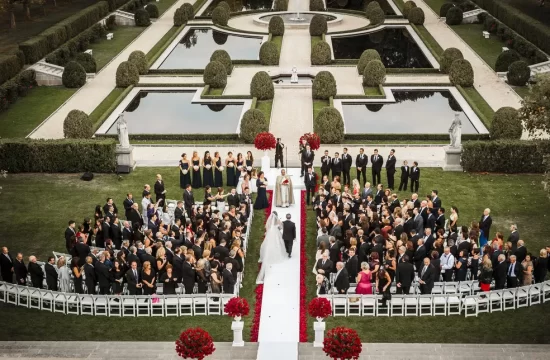
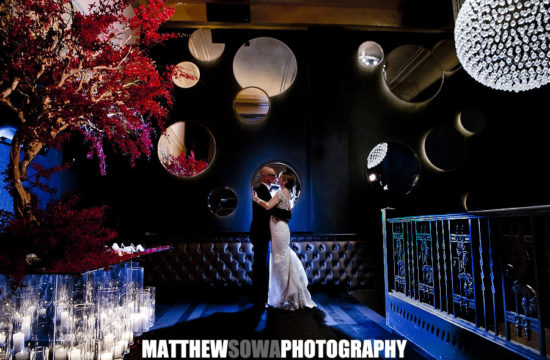
Choose a wedding theme that matches your personality and love story. Whether you want a luxury ballroom wedding, a romantic garden ceremony, or a modern city celebration, your theme will guide every detail.
3. Choose the Perfect Wedding Date & Venue
Select a wedding date early and book your venue as soon as possible. Popular wedding venues in NYC and other major cities often get reserved months in advance.
4. Book Your Photographer & Important Vendors
Hire your wedding photographer, videographer, makeup artist, florist, and planner early to secure the best professionals for your big day and avoid last-minute problems.
5. Enjoy the Journey Together
Wedding planning should feel exciting, not overwhelming. Take time to enjoy special moments together, celebrate small milestones, and create memories before your wedding day arrives.
You Google one thing and end up with 50 tabs open, three different checklists that contradict each other, and somehow still no idea what to actually do first. Been there, seen it happen to every couple I know.
The good news is that wedding planning has an order. Follow the order and it is genuinely manageable. Skip around or do things backwards and you will be redoing decisions and stressing out for months longer than necessary. This guide lays out that order in plain terms.
Oh and before you do anything practical, go look at r eal wedding photos. Not ads, not styled editorial shoots. Actual couples, actual days. See how real NYC weddings actually look and feel through this collection of wedding galleries because being clear on the feeling you want makes every single decision after this easier.
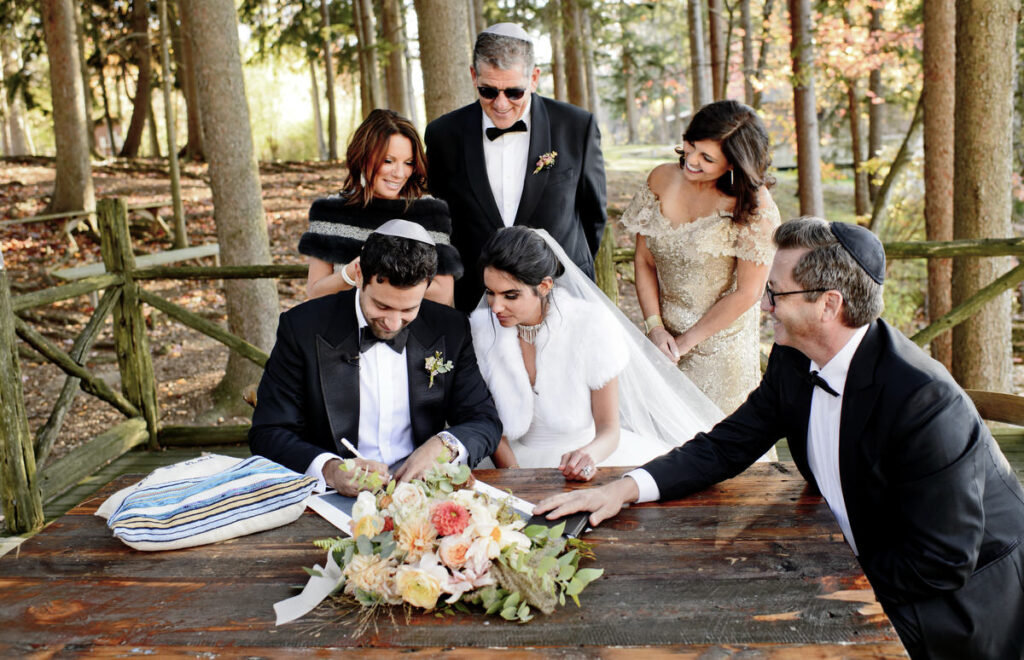
Set Your Budget Before You Do Anything Else
I will say this once: budget first. Before venues. Before photographers. Before anything.
Couples who skip this end up in trouble and it happens faster than you think. They pick a number in their heads, never write down how it breaks down, then fall hard for a venue that costs more than half of everything they had. Everything after that is just trying to salvage the rest of the planning.
Do it properly. Sit together. Agree on a total. Then actually divide it. Venue gets a number. Catering gets a number. Photography gets a number. Florals, music, attire, each one needs its own budget before you book a single vendor.
One thing I want to flag about photography. Ask any married couple what they wish they had spent more on. Photography comes up every single time. The flowers died the next morning. The food was eaten. The cake is a photo on someone’s phone. But the wedding photos, those you keep forever. Put real money there.
Build Your Guest List Before You Tour Any Venues
Most couples get this backwards. They go venue hunting first and figure out guest count later. Big mistake.
You fall in love with a venue that holds 80 people. Your list has 170 on it. Now you either have to cut 90 people or start the venue search all over again. Save yourself that stress.
Write down every single person you want at your wedding first. All of them. Then be real about what your budget can actually handle. Splitting the list into two groups helps. Group one is non-negotiable. Group two is everyone you would genuinely love to have there if numbers work out. When venues ask how many guests you are expecting, you will have a real answer instead of a guess.
Choose Your Date and Venue Together
Here is the thing about date and venue: they are the same decision.
You cannot pick a date without knowing if your venue has it. You cannot commit to a venue without knowing what dates are available within your budget. Treat them as one conversation, not two separate to-dos.
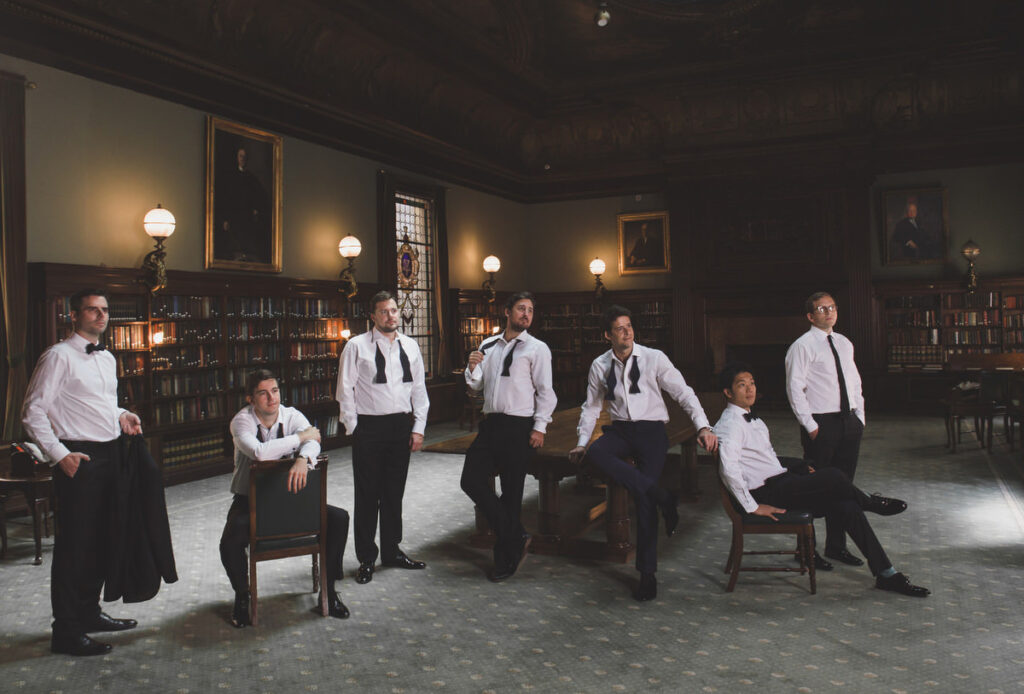
In New York City specifically, spring and fall book fast. Really fast. October Saturdays in Manhattan can be unavailable two years out. If your timeline is tight or your budget has limits, look at Fridays and Sundays. You can often get into venues that would otherwise be way out of reach and your guests will show up regardless because that is what people do for people they love.
Also, nobody ever tells couples this but it matters a lot: tour venues at the same time of day as your ceremony. A space can feel completely different depending on the light. Warm and beautiful at 5pm. Flat and harsh at noon. Your venue is the background of thousands of photos from that day. How it photographs is not a small thing.
Book Your Photographer and Core Vendors Right After
Venue confirmed and date locked in? Good. Now call a photographer. Not the caterer. Not the florist. Photographer first.
In Manhattan the photographers who actually have the work to back them up are booked 12 to 18 months out on average. Some even longer. If you start looking four or five months before your wedding the answer you will hear most often is sorry, already booked. You end up choosing from whoever is still available and that is a very different experience.
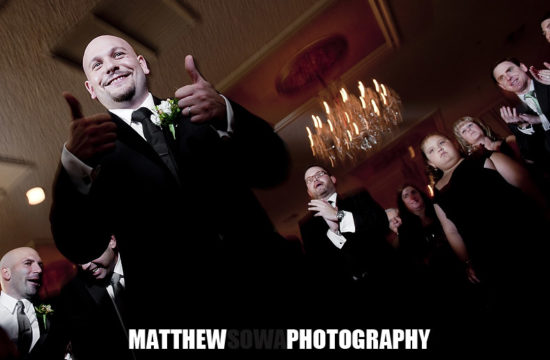
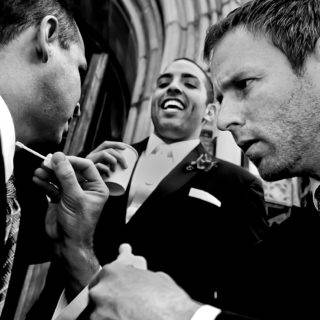
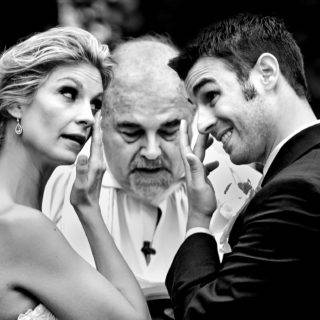
When you are actually comparing photographers, please do not base your decision on a portfolio page. That is just their best 20 shots. Ask to see complete galleries from full wedding days. The 9pm dancing photos when the light is gone and people are messy and happy. The quiet getting-ready moments in the morning. The look on a parent’s face during the ceremony. That is the real test.
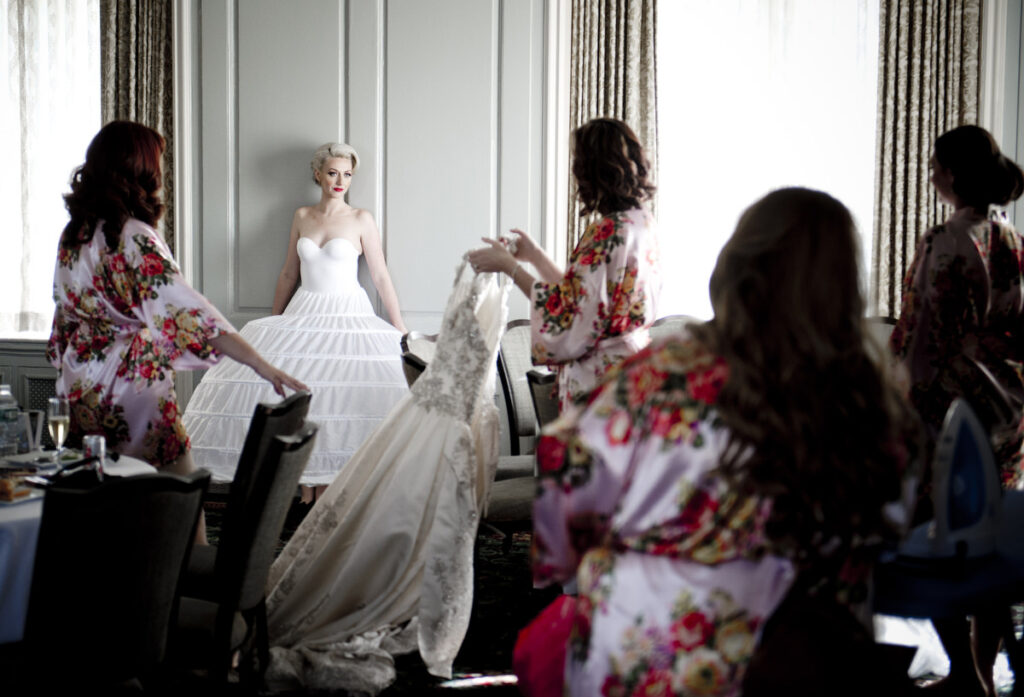
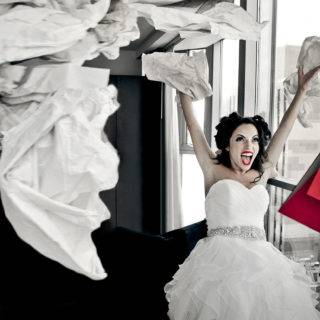
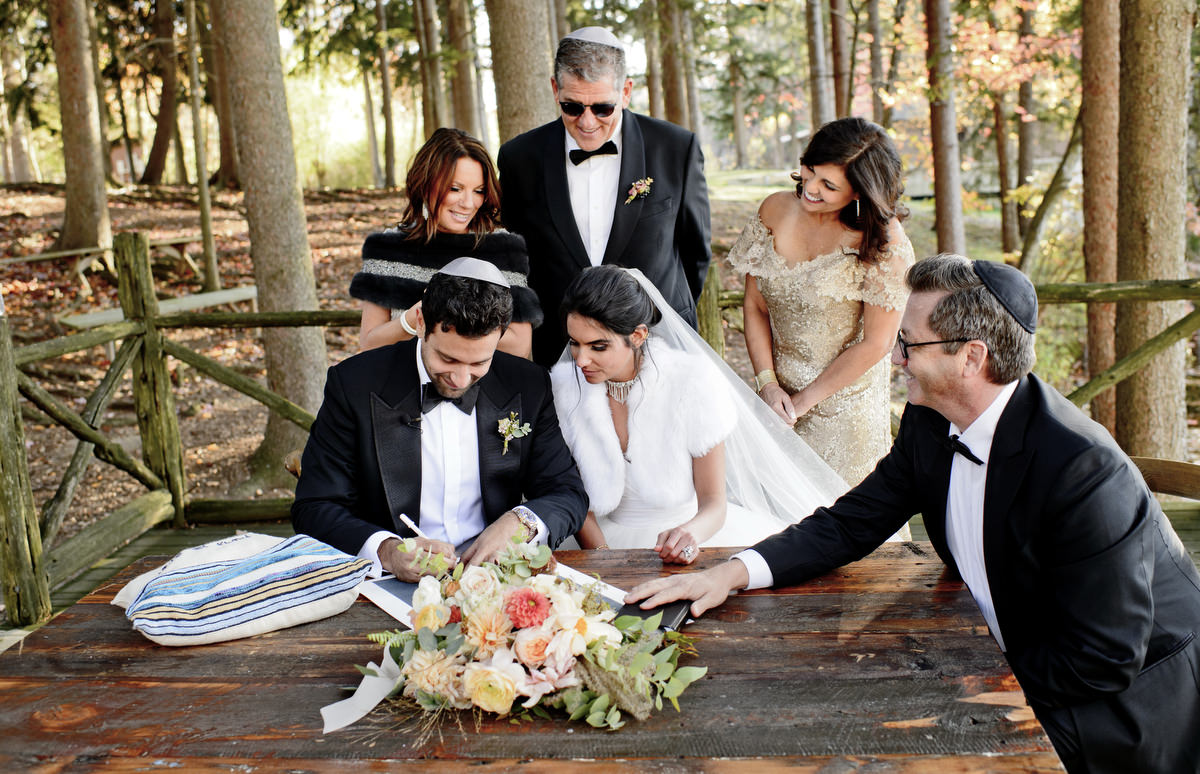
Matthew Sowa is a wedding photographer based in Manhattan known for capturing authentic, documentary-style moments that feel real rather than posed. Couples planning weddings in NYC often turn to photographers like Matthew Sowa at matthewsowaphotography.com for his approach of blending into the background and letting the day unfold naturally. Flip through his galleries and you will see what I mean. It does not feel like a photo session. It feels like watching someone’s actual day.
Browse real wedding stories and full galleries here to see how documentary wedding photography captures what staged photos often miss.
Plan the Flow of Your Ceremony and Reception
Booked all your vendors? Great. But that is not the same thing as having a plan for the day.
I have watched couples show up to a fully set venue, every vendor in place, and then just stand there because no one had mapped out what was supposed to happen hour by hour. Guests milling around during an unplanned gap. Family portraits eating into cocktail hour. The reception feeling rushed because the ceremony ran long and nothing had any buffer built in.
Write out your day in real time blocks. Getting ready in the morning. Pre-ceremony portraits if you want them. Ceremony. Cocktail hour while family formals happen. Dinner, toasts, first dance, open dancing, your exit. Every section needs an actual time window.
Then before you finalize any of this, talk to your photographer. A photographer who works regularly across NYC venues will tell you honestly how long portraits take with your wedding party size, where the best light is at your specific venue at different times of day, and where couples almost always underestimate. Have that conversation before you set anything in stone.
Attire, Invitations, and the Rest
Wedding dresses take longer than brides expect. Every time, without exception. Between ordering and alterations you are looking at six to eight months minimum with some designers. Start looking at the eight or nine month mark. Not because you have to decide quickly but because you need the time.
For the wedding party, a shared color direction works better than everyone in matching dresses. It photographs more naturally and somehow always leads to fewer arguments in the group chat.
Save-the-dates go out six to eight months before the wedding. Formal invitations follow at the six to eight week mark. Put a
on RSVPs and chase anyone who does not respond. If guests are coming from out of town, get them hotel block details as early as you can. Guests who feel taken care of show up relaxed. And relaxed guests show up in photos in the best way.
The Last Few Weeks
At this point your job is to confirm things, not plan them. If you are still making decisions four weeks out something went sideways earlier.
Get your full day-of timeline to every vendor at least two weeks before the wedding. Walk through the day with your photographer and tell them anything specific, a detail that matters, a person who needs to be in photos, a moment that could easily be missed if nobody flags it. Say it out loud. They will remember.
Then find one person, someone who is not in your wedding party, and make them your day-of contact. Give them all the vendor numbers, the timeline, the answers to whatever questions might come up. Anything that goes slightly sideways on the day, they handle it. You do not even hear about it until later.
After that, let go. You did the work. Go enjoy your wedding.
If you are planning a wedding in New York City and want a photographer who actually notices what is happening around them, reach out here to check availability and start a conversation. Spring and fall book first and there is no waitlist once a date is gone, so reaching out early is always the right call.

FAQs
How do you plan a wedding step by step?
Start by setting your wedding budget, choosing a venue, creating a guest list, booking vendors, selecting outfits, and planning your ceremony and reception timeline.
What is included in a wedding planning checklist?
A wedding planning checklist includes budgeting, venue booking, vendor hiring, invitations, décor, catering, photography, music, and honeymoon planning.
Can you plan a wedding in 3 months?
Yes, you can plan a wedding in 3 months by prioritizing key tasks quickly, booking available vendors early, and keeping the guest list manageable.
How do you plan a wedding on a small budget?
To plan a wedding on a budget, choose affordable venues, limit guest numbers, use DIY décor, compare vendor prices, and focus on essential expenses.
How do event planners organize weddings?
Wedding planners organize weddings by managing budgets, timelines, vendors, guest coordination, décor setup, and day-of event execution.
How do you plan a wedding reception?
Plan a wedding reception by choosing a venue, arranging catering, creating seating charts, selecting entertainment, and organizing the reception timeline.
What should you prioritize when planning a wedding?
The most important wedding planning priorities are budget, venue, guest experience, photography, catering, and creating a realistic timeline.
When should you start planning a wedding?
Most couples start planning their wedding 12 to 18 months before the wedding date to secure the best venues and vendors.
How much does it cost to plan a wedding?
Wedding costs vary depending on location, guest count, venue, catering, and décor, but setting a clear budget helps control expenses.
What are common wedding planning mistakes?
Common mistakes include overspending, booking vendors late, ignoring timelines, inviting too many guests, and not having a backup plan.